The sudden escalation of security in the Middle East and the blockage of the Strait of Hormuz have severely impacted the global container shipping system. Jeremy Nixon, CEO of Ocean Network Express (ONE), estimates that about 10% of the world’s container fleet has been affected. For shippers seeking a stable DDP shipping rate or a free quote, this crisis highlights the need to plan ahead—just leave message for professional support.
10% of Fleet Disrupted: Trade Blockage Beyond Regional Scope
At the TPM26 conference in Long Beach, California, shipping insiders focused on the far-reaching impact of the Middle East war on global container trade. Though the Middle East container market is smaller than trans-Pacific or Asia-Europe routes, the chain reaction has brought huge operational pressure to liners.
Jeremy Nixon stated that the current situation is the worst-case scenario, with 10% of the global fleet affected—a new "black swan" event. Consequences include invalid insurance, unnavigable ships, soaring fuel prices, and most carriers suspending Middle East bookings. For shippers, locking in a reliable DDP shipping rate and getting a free quote in advance is crucial to avoid losses, so feel free to leave message with your cargo details.
Major carriers have suspended services one after another: ONE halted Middle East bookings on March 2; Maersk suspended bookings between the Indian subcontinent and the Persian Gulf; Hapag-Lloyd suspended cargo from Africa to northern Persian Gulf; CMA CGM suspended all bookings to Bahrain, Kuwait, Qatar, Iraq, most UAE ports and Saudi ports (except key Red Sea/Oman Gulf ports).
Operational Pressure Emerges: Equipment Misalignment & Global Capacity Rearrangement
Booking suspensions are just the initial sign of global container network pressure. Johan Sigsgaard, Maersk’s EVP, noted that handling in-transit containers will be a challenge, as global hubs cannot quickly absorb such a large cargo shift. Trine Nielsen, Flexport’s VP of Shipping, predicted the impact will amplify in 3-8 weeks, even affecting trans-Pacific routes, as carriers redirect capacity to high-yield routes.
Asian Hubs Under Pressure: Port Congestion Risk Rises
Nixon expects throughput to drop at hubs like Port Klang and Singapore. Cargo backlogs at terminals will reduce yard utilization and turnover efficiency. Turloch Mooney, Global Head of Port Analytics at S&P Global Market Intelligence, called it a "disaster" for ports—South Asian ports (Mundra, Mumbai, Colombo) are already congested with cargo diverted from Middle Eastern ports (e.g., Jebel Ali).
Containers ships stranded by insurance and security issues will flood ports once safe, creating massive operational pressure. Mooney warned that even if the conflict ends tomorrow, recovery will take at least six months. If you need a fast & free shipping quote from China to the US, Canada, or Europe, please leave us a message with your details. We will reply to you within 1 hour.
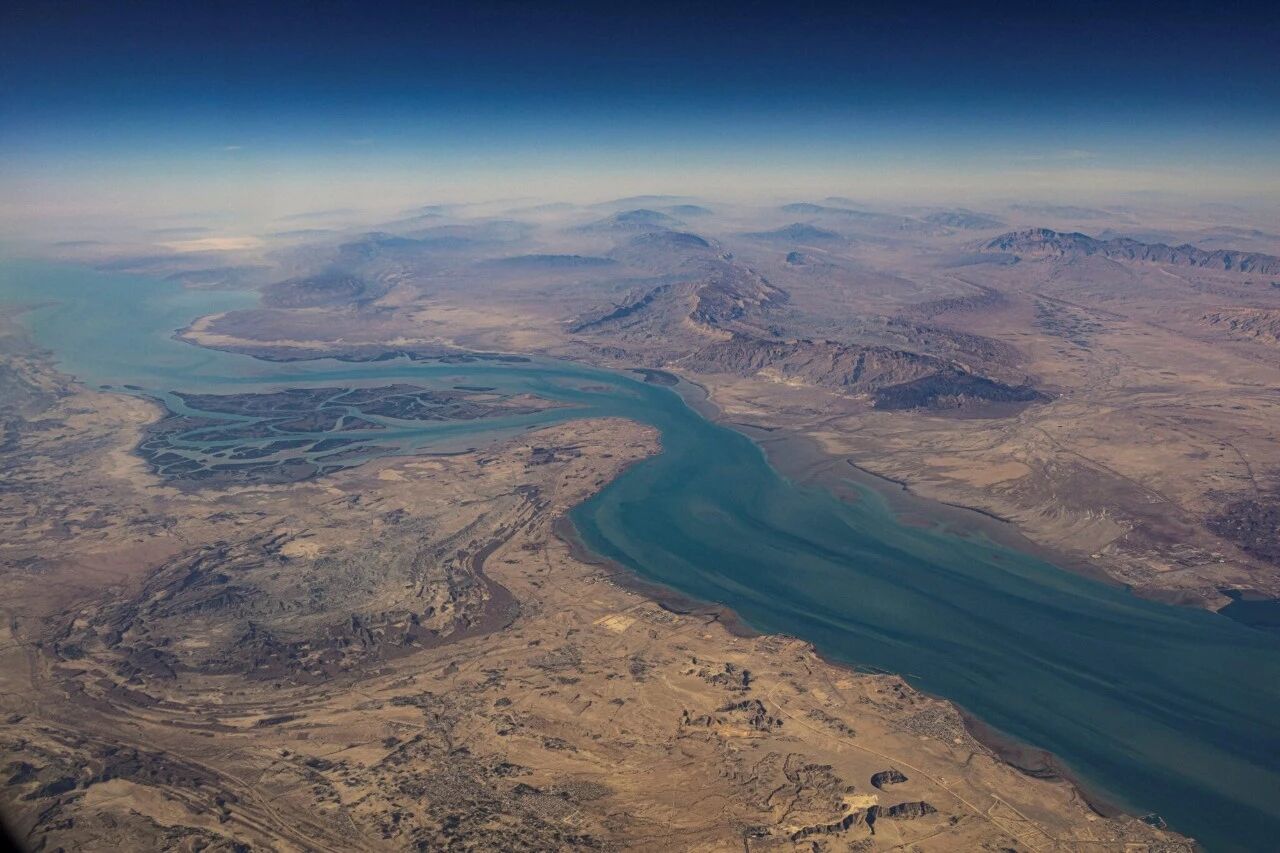
Shipping Plans Reversed: Asia-Europe Routes Affected
The war has reversed plans to resume Red Sea routes. Emily Stausboll, Senior Shipping Analyst at Xeneta, noted Maersk has rerouted from the Red Sea to the Cape of Good Hope, undermining Asia-Europe route reliability. Vessel rerouting and stagnation force liners to redeploy ships, inevitably disrupting other global routes and shipping rate stability.
Get your best DDP shipping rate now!
Leave us an email or message below, and we will send you our latest price immediately. Whether you need a free quote for shipments from China to the US, Canada, Europe, or want to lock in a stable DDP shipping rate amid the crisis, we are here to help. Just leave message with your cargo details, and our team will respond within 1 hour.