NEWS & BLOG
Views: 0 Author: Site Editor Publish Time: 2026-04-22 Origin: Site
Strategic Foresight 2026
Deciphering the impact of the 2.16M TEU delivery wave and the full-scale enforcement of IMO carbon mandates on global trade velocity.
The global market is transitioning into a structural surplus. With MSC’s fleet nearing 1,000 vessels and an estimated 14-15% overcapacity rate, the competition is shifting from securing space to optimizing kdigital and green service layers.
MSC alone manages 7.26M TEU capacity, with a massive orderbook of 127 newbuilds. This giantism allows for unparalleled network density but forces smaller players into niche specialization or strategic alliances.
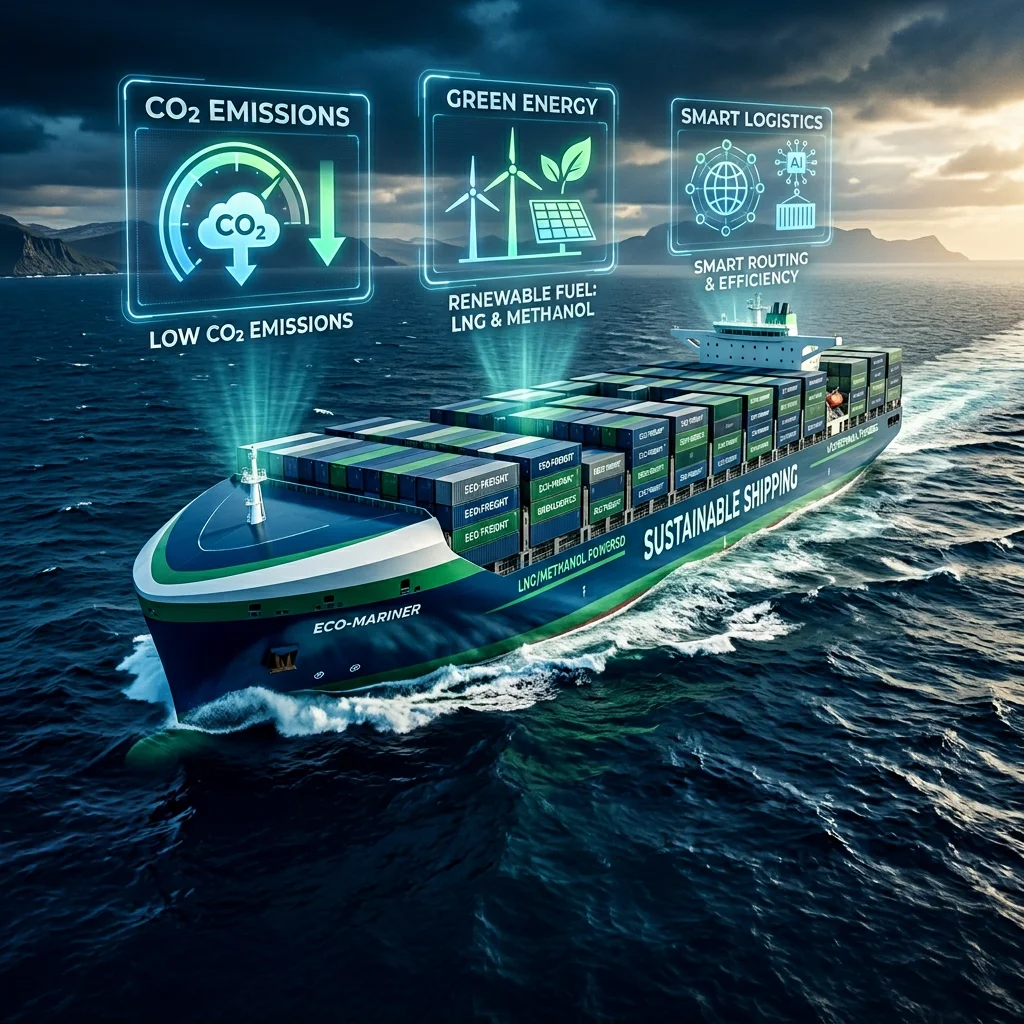
Environmental compliance is no longer optional. Mandatory CII ratings are forcing older vessels into "slow steaming" or immediate retrofitting. This 'forced' speed reduction is the only factor absorbing some of the new delivery capacity.
Maersk's focus on green methanol vessels represents the second major trend: the Bifurcation of the Fleet. Shippers will soon choose between 'standard routes' and 'green corridors' to meet EU CBAM carbon tax requirements.
For logistics managers, 2026 represents a year of **Strategic Rebalancing**. The massive delivery of new tonnage (predominantly from MSC, Maersk, and CMA CGM) has fundamentally ended the era of space scarcity. However, this does not mean logistics is getting simpler.
The simultaneous enforcement of the IMO’s CII and EEXI regulations creates a paradoxical operational environment. While capacity is theoretically abundant, "useful capacity" is being curtailed as carriers reduce vessel speeds to maintain carbon ratings. At STU Supply Chain, our analysis suggests that the true market battle will be fought over **Green Space Allocation**.
Global shippers must now audit their carriers not just on price and transit time, but on **Carbon Intensity Scores**. As the EU CBAM tax fully integrates into trade costs, a low-carbon shipment could be 15-20% more cost-effective overall than a "standard" shipment once carbon penalties are applied at the port of entry.
STU Strategic Advisory
"2026 is the year where 'Capacity Management' meets 'Carbon Governance'. The winners will be those who transition their supply chain from a cost-center to a sustainable value-driver. STU Supply Chain provides the visibility required to balance these competing forces."
Global Maritime Analysis Unit, STU Supply Chain Management
Forging the Future of Global Trade
© 2026 STU Supply Chain. Data analyzed from Alphaliner Q1 Reports, IMO Compliance Database, and STU Proprietary Capacity Models. All Rights Reserved.
content is empty!