Views: 0 Author: Site Editor Publish Time: 2026-04-15 Origin: Site
Have you ever faced this situation? Your cargo has entered the port and customs clearance is completed, but the shipping company suddenly informs you that your container has been rolled and you have to wait for the next vessel. Why does this happen? What should you do when it occurs? Let’s figure it out today.
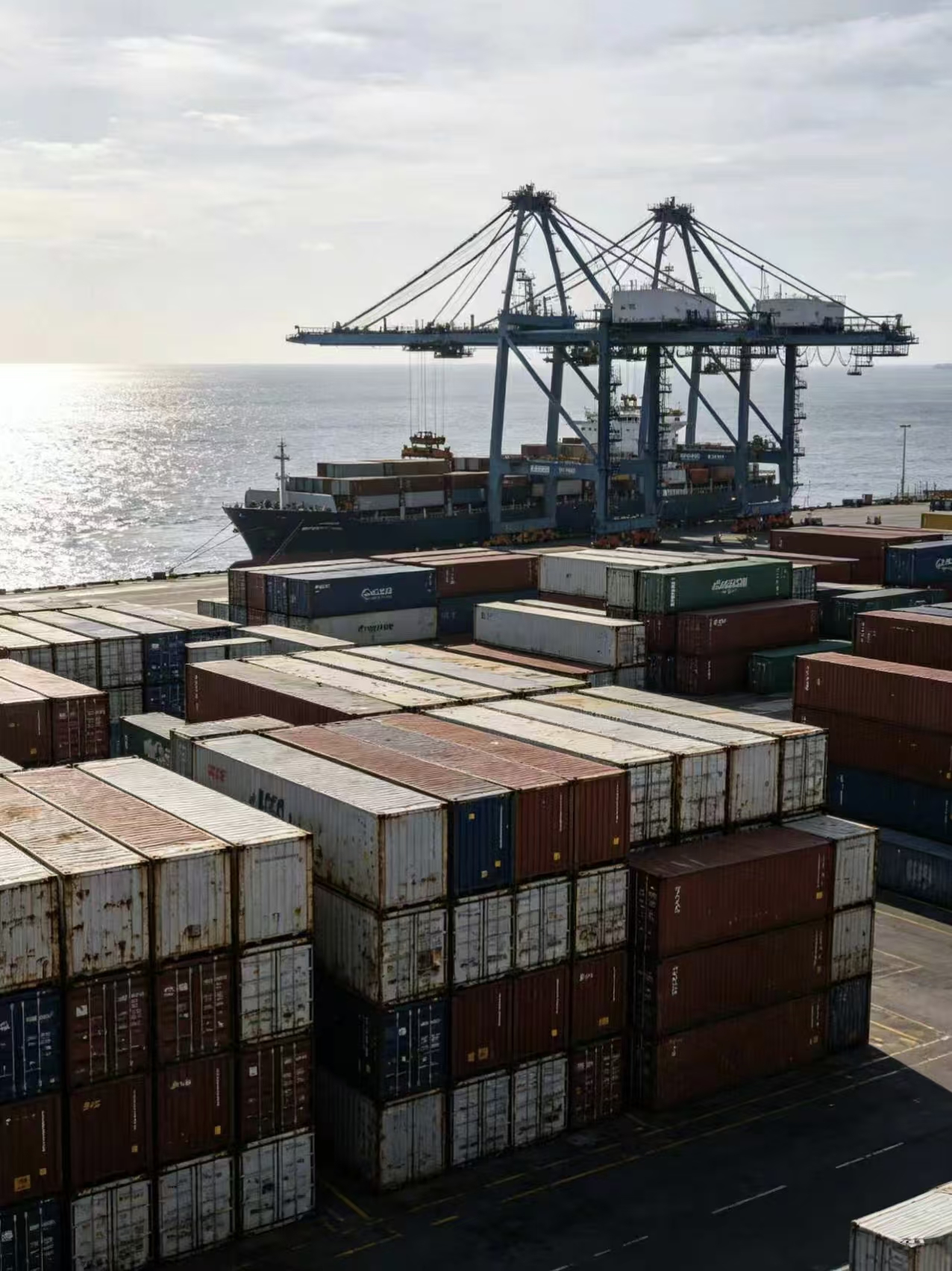
Container rolling means shipping companies fail to load your confirmed-booked containers onto the scheduled vessel due to insufficient space, and arrange them for the next voyage. Simply put, it is like overbooking of flight tickets—you have a booking, but you cannot board the ship.
There are 4 core reasons that lead to container rolling, most of which are caused by shipping companies' operation strategies:
⚠️ Overbooking by shipping companies: Carriers overbook space to ensure full load. If all cargoes arrive on time, some containers must be rolled.
⚠️ Low shipment priority: Low-fare bookings, late entry/declaration, and heavy cargo are more likely to be rolled.
⚠️ Stowage balance issues: Heavy containers may be rolled to keep the vessel stable and balanced.
⚠️ Vessel adjustment: Temporary vessel change or voyage cancellation leads to sudden space shortage.
⚠️
It depends on trade terms. Shipping companies rarely take the initiative to compensate, and you need to negotiate for fee waivers actively.
 What to Do When Container is Rolled?
 Follow these 4 steps to minimize the loss immediately:
✅ Step 1: Confirm new schedule: Get the new vessel name and sailing date immediately.
✅ Step 2: Check document modification: Apply for fee waivers if you need to revise customs documents.
✅ Step 3: Inform customers: Notify delays in advance to avoid claims and disputes.
✅ Step 4: Claim fee waivers: Apply for free detention and modification fees from carriers.
✅
Preventive measures are far more effective than emergency handling:
Book guaranteed space from top shipping companies.
Book space early and send cargo to the port in advance.
Cooperate with reliable freight forwarders for better space protection.
Leave 1-2 weeks buffer during peak seasons (Jul-Sep, pre-Spring Festival).
Container rolling is caused by overbooking and stowage issues of shipping companies, not your fault. Stay calm, confirm new schedules, negotiate fee waivers, and cooperate with professional partners to minimize risks effectively.
Professional One-Stop Shipping Service
Full coverage in Shenzhen/Guangzhou/Ningbo/Shanghai/Tianjin | Low cost | High efficiency | Door-to-door delivery